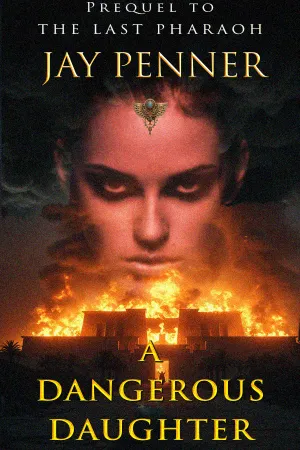
Welcome to my corner of the ancient world. I'm Jay Penner — bestselling author of historical fiction set in ancient Egypt, Rome, Mesopotamia, and India.
The Greatest Enemy - A note on the trilogy.
I’ve wanted to write about the Second Punic War for a long time. It is, without exaggeration, one of the most dramatic conflicts in ancient history—Hannibal Barca crossing the Alps with elephants, Rome on the brink of annihilation, and battles like Trasimene and Cannae that are still studied in war colleges today, and then of course, the men of the times—Hannibal Barca and Scipio Africanus. The raw material was extraordinary. The question was: how do I tell the story?
The obvious choice was Hannibal himself. He is a towering figure, a military genius who brought Rome to its knees. But I kept circling back to something that has guided my previous work—finding the angle that lets me show the human cost of war, not just its grand strategy. Besides, there are plenty of books on the factual aspects of the conflict.
In my Cleopatra trilogy, the protagonist was a queen. The scope was vast: empires, palace intrigue, alliances that spanned the Mediterranean. In the Spartacus trilogy, I went in the opposite direction—away from the Roman elite entirely, down into the world of slaves, gladiators, and forgotten men. Both series asked a similar question from very different vantage points: what does it mean to fight for something when the odds are impossible? And in both series, the main character was the protagonist. Readers enjoyed the novels that blended historical research with page turning sagas.
For The Greatest Enemy, I wanted a third path. Not a king or a general. Not a slave. A barbarian cavalryman—an Insubrian Gaul named Ducarius—with his own burning mission for vengeance and justice, thrusting himself into Hannibal’s invasion with an agenda of his own. The Second Punic War is the backdrop, but Ducarius’s story is intensely personal: a man shackled by family shame, hunting the people who destroyed his kin, navigating betrayal and impossible alliances while history’s most devastating war rages around him.
This gave me something I found irresistible as a writer. Ducarius moves between worlds—the tribal politics of the Gallic villages, the chaos of Hannibal’s multinational army, and the calculated machinery of the Roman Republic. He is an outsider everywhere, which let me paint the gritty, brutal reality of the times without being tethered to any single faction’s version of events.
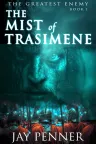
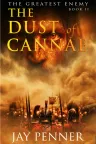
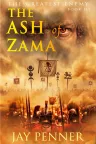
Each book in the trilogy builds toward one of the war’s defining moments. The Mist of Trasimene culminates in the devastating ambush at Lake Trasimene, where Hannibal annihilated a Roman army in one of history’s great tactical masterstrokes. The Dust of Cannae drives toward the bloodiest single day in ancient warfare—the Battle of Cannae, where Rome lost tens of thousands in a catastrophic double envelopment that generals have tried to replicate for over two millennia. And The Ash of Zama carries the story across the Mediterranean to the war’s final reckoning on the plains of North Africa, where Scipio Africanus faced Hannibal, and where Ducarius’s own story comes to an conclusion.
I have tried to render these battles with meticulous research—the formations, the terrain, the weapons, the logistics, the sheer chaos of ancient combat. If you’ve read my other novels, you know I care deeply about getting the history right. I take dramatic license with my fictional characters, but the key events, the timelines, the political maneuvering, and the military engagements are rooted in what we know from Polybius, Livy, and Appian. The world of the third century BC was harsh, opportunistic, and unforgiving, and I’ve tried to portray it as it was rather than romanticize it.
But at its heart, The Greatest Enemy is not a military history textbook. It is a story about revenge, betrayal, impossible love, and what happens to a man who spends years chasing justice only to discover that every alliance is a betrayal waiting to happen and every victory carries the seeds of ruin. Ducarius’s arc across the trilogy is one of the most complex I’ve written—a man who rises higher than he imagined and falls further than he thought possible, driven by a consuming need that wars with love, loyalty, and his own survival.
If you enjoy ancient historical fiction with a dark edge—stories where the twists come from human nature as much as from the battlefield, where revenge fiction meets rigorous history—I think you’ll find something to love in this trilogy.
Thank you for reading this note. Now come with me on the road to vengeance with Ducarius.
Further Reading
- Cleopatra's Signature: A Papyrus from 33 B.C. — A papyrus dated 33 B.C. may carry Cleopatra's own handwriting—one word: "Ginesthoi" (Make it so). Explore this tantalizing fragment from ancient Egypt.
- Was Cleopatra Black? What Ancient Sources Actually Say — Examining Cleopatra's Ptolemaic heritage, ancient busts, coins, and what Strabo, Plutarch, and Cassius Dio say about her appearance and race.
- Maurya: Historical Fiction Set in Ancient India — Maurya is a historical fiction novel set just after Alexander's death—featuring Chandragupta, Chanakya, and Seleucus in an adventure of deception and empire.
- Wait, What? — Bust some wild social-media claims about the ancient world.
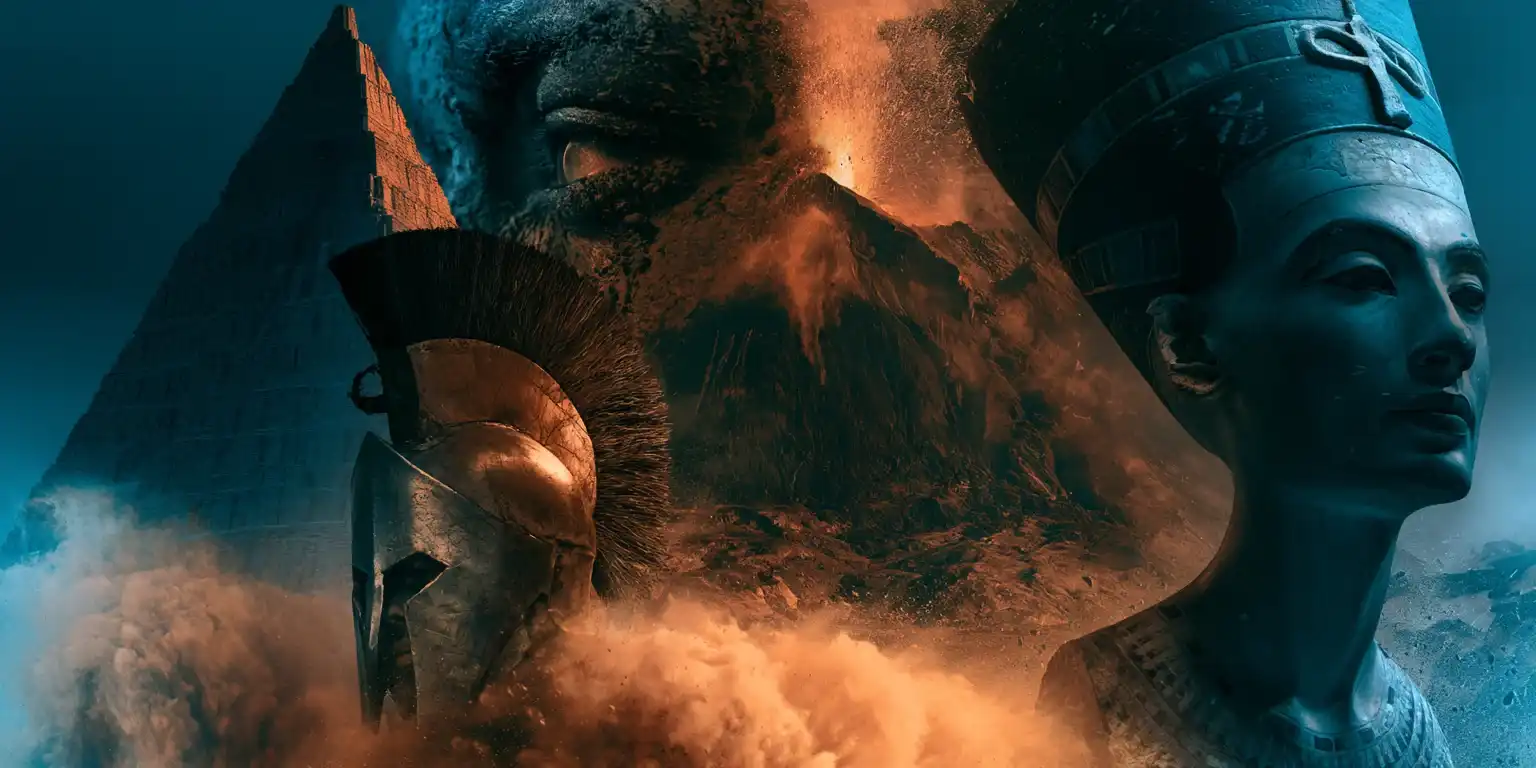
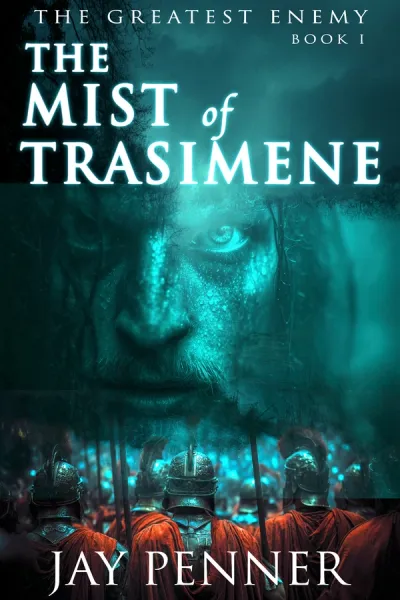
Hannibal ● Book 1 of 3 ● Also in paperback
Vengeance, war, and impossible love forged in the fires of Hannibal's war on Rome.
The Mist of Trasimene ★★★★★
The deadliest spear is the one thrust from behind.
Burdened by his family's shame, cavalryman Ducarius seizes his chance for vengeance when a foreign warlord descends from the Alps—but he must decide how far he will go to right a wrong before the mists rise upon Lake Trasimene. GRAB THE LIMITED TIME DEAL.




About the Author
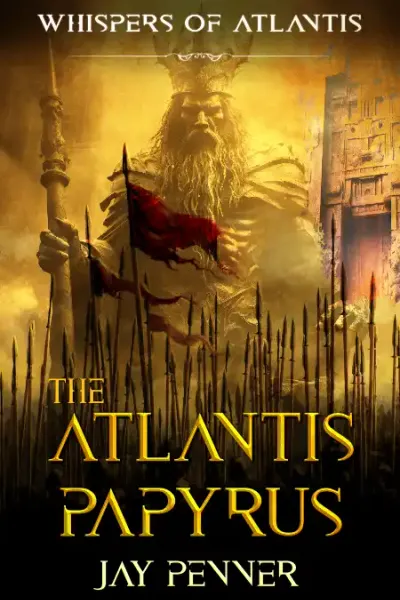
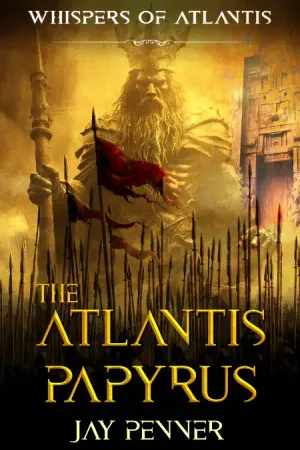
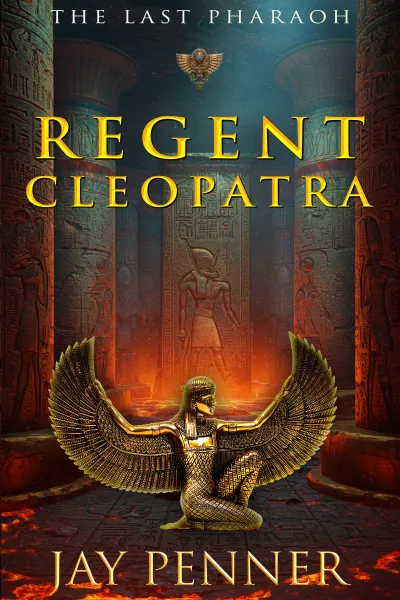
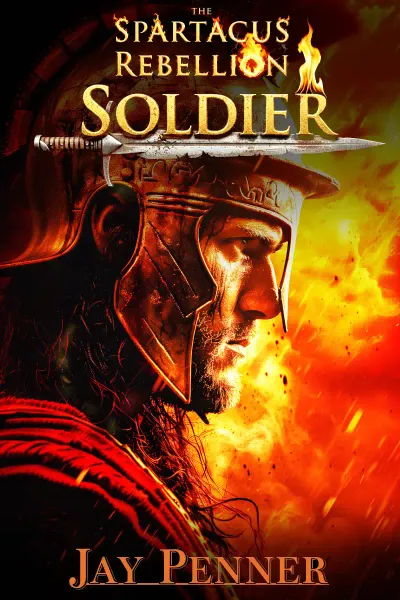
Jay Penner's highly-rated books regularly feature Amazon's category bestseller lists. Try his Spartacus, Cleopatra, Whispers of Atlantis, Hannibal or Dark Shadows books.